
Scalp scars from any procedure such as scalp reduction, old plug surgery, trauma or neurosurgical procedures can be treated to minimize the look of the scar. Modern hair transplant yields natural, proven, and permanent results along with special wound closure techniques to minimize scars.
Here are some methods that a hair transplant surgeon can use to reduce the visibility of the scar:
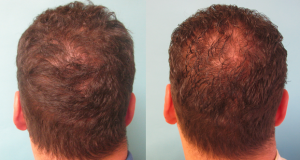
Left: Before Scar Revision, Right: After Scar Revision
1. Simple Scar Revision: This method can be used if there is a wide scalp scar due to the initial technical problem during the wound closure.
2. Scar Revision and Trichophytic Closure: This method allows the hair to grow inside the scar, which helps to minimize the contrast between the scar and the surrounding areas of the scalp.
3. Hair Transplantation inside the Scar: In this method, the hair will be harvested from other areas of the scalp and will be transplanted inside the scar to blend the scar with the rest of the hair. The hair will be harvested through the FUE hair transplant technique. The benefit of using this technique is that with FUE, follicles are extracted individually, giving the surgeon the opportunity to place them into the scar without having new scarring.
4. Scalp Micro Pigmentation on the Scar: By introducing dermal pigments into the scar, the visibility of the scar can be significantly improved because it helps reduce the contrast in color between the scar tissue and the surrounding scalp area.
In order to know which technique would fit your needs, it is recommended to visit an experienced hair transplant surgeon.

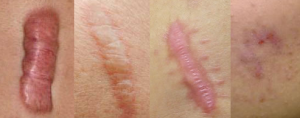
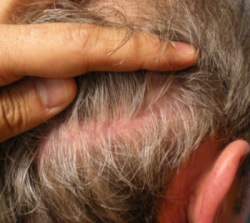
 Scarring is the result of tissue fibers replacing normal skin after a trauma. Scarring can result from surgery, burns, open wounds, or any other abrasion of the skin. Scars are caused when the deep thick layer of skin, also known as the dermis, is damaged. Once trauma occurs, the body forms a collagen fiber which aids in the healing process of the wound and causes a scar. Because the tissue is a different consistency and quality the scar becomes visible.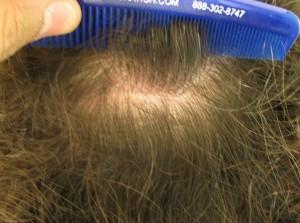
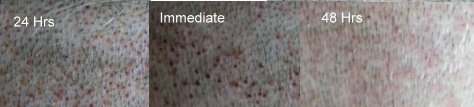
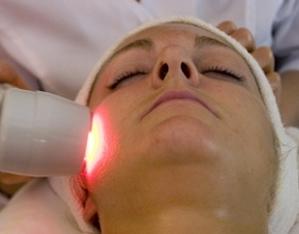 In recent years the use of lasers in medicine has enjoyed rapid development in medicine. Doctors and researchers are experimenting with the devices in a wide variety of procedures, like opening blocked coronary arteries and reshaping the cornea of the eye to correct poor vision, dissolving kidney stones and in scar revisioning.